Glucose Sensor
At the beginning of the winter break a friend of mine texted me about how he'd been using a disposable glucose monitor to get better information on how changes in diet and exercise affected his body. He said he'd been using a $50 sensor from Lingo that could be bought over-the-counter from Amazon. I watched a few videos about glucose monitors and learned that the Lingo device is a small, embedded sensor that has a two-week battery and uses Bluetooth to connect to your phone. I had some time off for the holidays, so I decided to order one and see how bad my numbers were. Amy joked, "What could go wrong, ordering a bargain medical tracking devices from the web?"
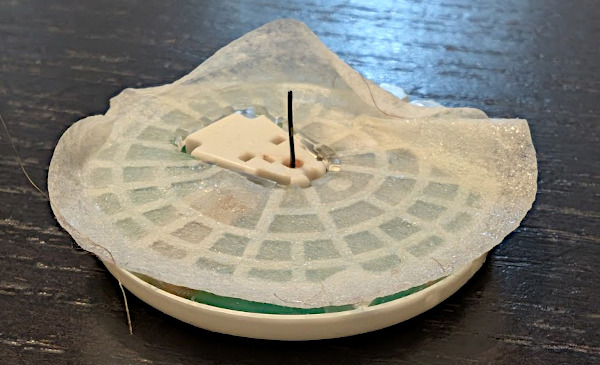
Lingo Sensor
A box arrived a few days later with instructions, a QR code, a single sensor, and an ominous spring-loaded device to apply the sensor. When I pulled the sensor out of it's protective case, I heard a clicking sound and saw this longer than expected needle sticking out of the center. It reminded me of Indiana Jones poison needle booby traps. After swabbing down the backside of my left,upper arm with rubbing alcohol, I loaded the sensor disc into the application device, held it awkwardly to my arm, and pushed the trigger to have the device poke the needle into my skin. While the length of the needle looked alarming, it didn't hurt much to apply it. I installed the phone app, linked with the device, and saw a message that the device needed to run a bit before the data would be available.
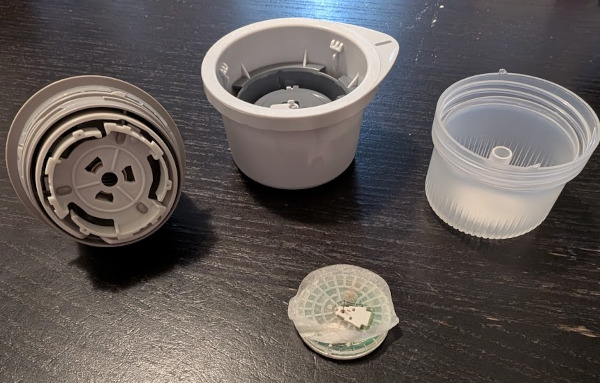
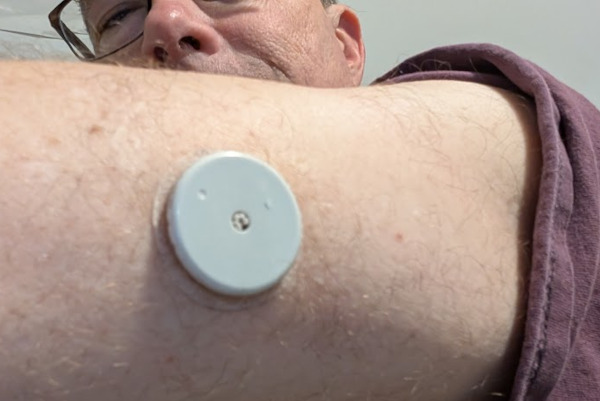
Having had problems with nearly every single Bluetooth device in my life, I was relieved when the app started reporting out data a short time later. The monitor captures your glucose level, which Lingo says should range from 70-140mg/dL for someone that is healthy. The levels are expected to run low when you don't have food, but then spike after you eat. The main things to look out for are if your numbers go very high (around 200?), fall below 70, or have spikes that last longer than 3 hours.
Initial Spikes
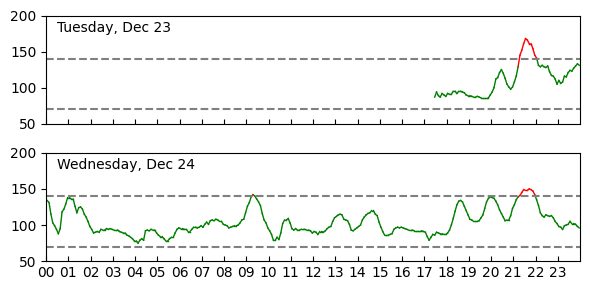
My friend said that he did some baselining of his sensor by going to some fast food restaurants and eating meals that are clearly bad for you. I've done away with the burger lifestyle this year, but I still like restaurants and am particularly weak when it comes to desserts. For dinner the first night we went to a new Algerian restaurant (MezaNMoka) where I had chicken shawarma. The food was good and my numbers seemed ok, but after the meal we ordered some of their (amazing) pastries to take home. The pastries put me above 140 so Amy and I went for a walk around the block. That helped bring the numbers down, but I had a little more when we got back. The numbers seemed high before bed, but the next morning it looked like everything had settled back down after a few hours.
Continuous Monitoring
Having instant access to my current glucose levels was strangely interesting. The numbers went up after meals or snacks, but then decreased with a little time. Seeing the numbers helped remind me not to snack on things, though it was difficult to stay on course given the holidays. Generally, it seemed to be beneficial to go out for a walk after a meal. The numbers always seemed to be high when I missed a walk or just sat on the couch watching TV for the night.
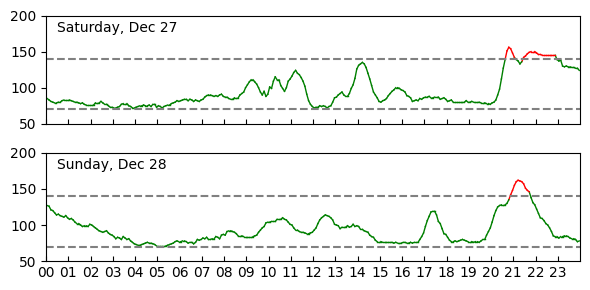
I noticed a strong correlation between my mood and the spikes. On Saturday night I had a big dinner followed by a larger serving of ice cream I should not have had. The numbers crossed the line, but what was more alarming was that it took a long time for them to get back down to normal levels overnight. I felt bad that night and a little like I was hung over the next morning. Later in the week I had a much more constrained amount of ice cream and didn't feel bad or have high numbers.
Removing the Patch
The battery on my device seemed like it would have run for the full two weeks, but I had to take it off early because work doesn't allow you to bring in personal devices. Removing the patch was rotten- the sticky pad had a very good grip that pulled out some hairs. I wasn't bothered much by the device when I was wearing it, but it also felt good to be done with it. I'm not sure how to properly dispose of it as it has a battery and my data on it. I guess I'm releasing all of that data below, so that's not much of an issue.
All the Data
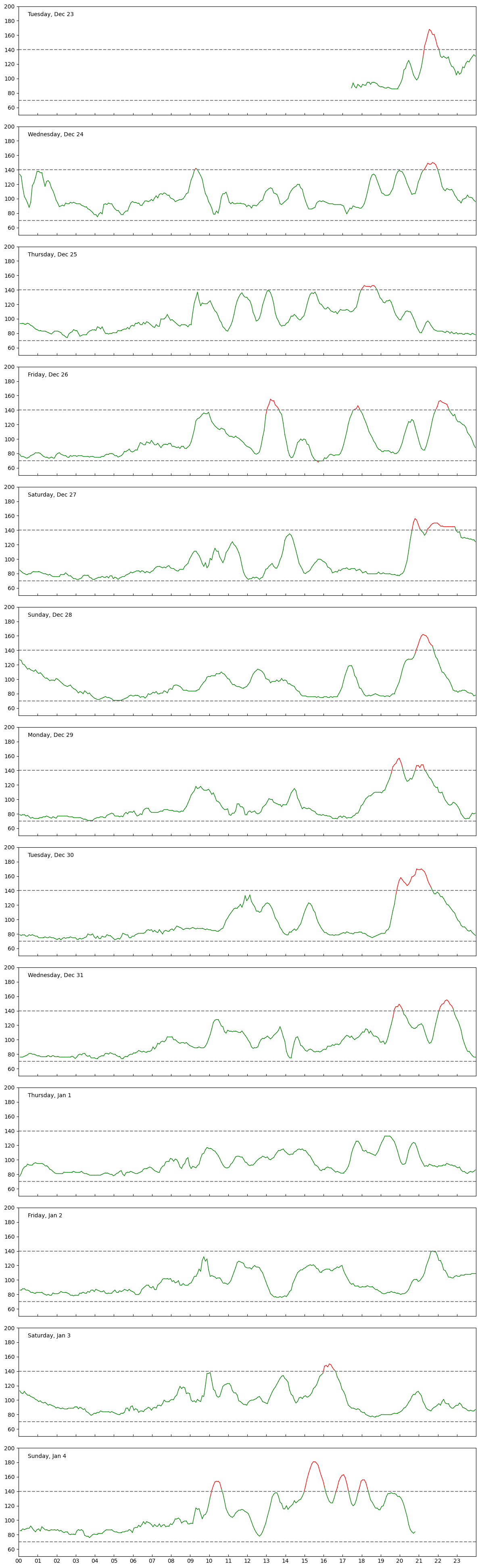
The Lingo app worked pretty well for interpreting the data. They gave a place to enter in information about food and exercise that they then used to annotate plots of your data. I was motivated to enter this information (unlike other diet tracking apps), because it helped me interpret my plots. Lingo has an option to export the Glucose data to a CSV, which I very much appreciate. Below are plots I made from the data export. My export didn't have the food and exercise info, but that's all ok to me. I've checked my code and data into my snippets repo.
Thoughts
So yeah, Diet and Exercise can help you feel better. Who knew? This experiment was useful for me though, because I could get live stats and make correlations between what I was doing and how I was feeling. While there are people that get their insurance to pay for these patches continuously, I think a single run of this test was good enough for now.
Snippets
The code and data for this project are now here: snippets/260124_glucose